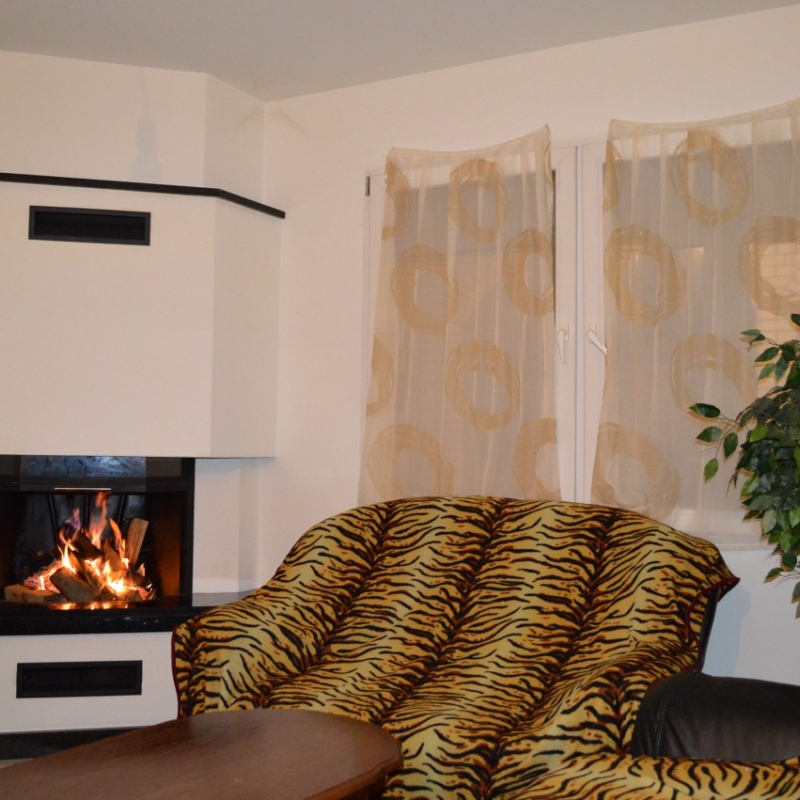
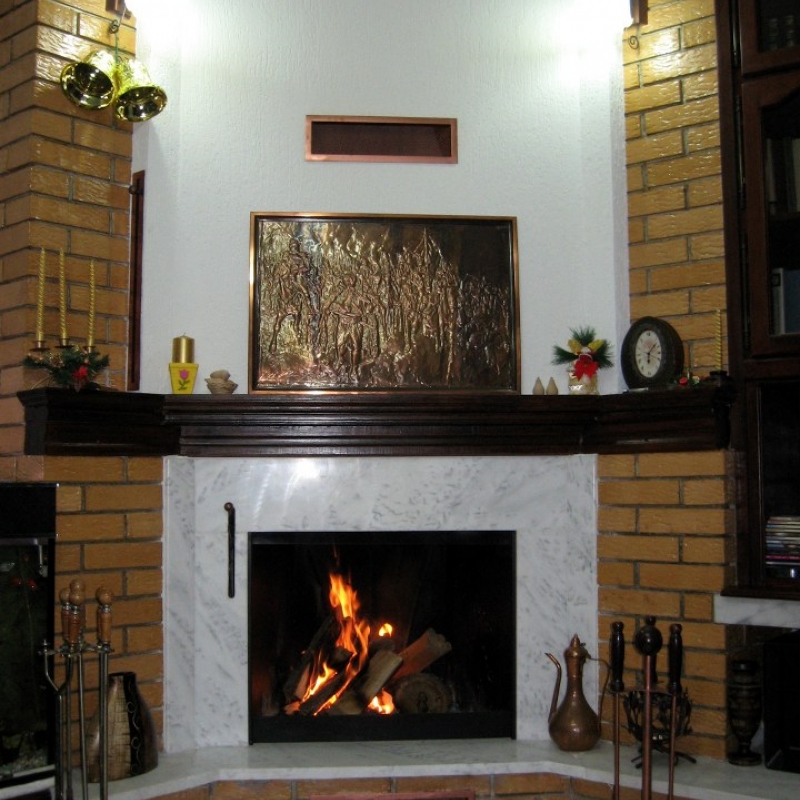
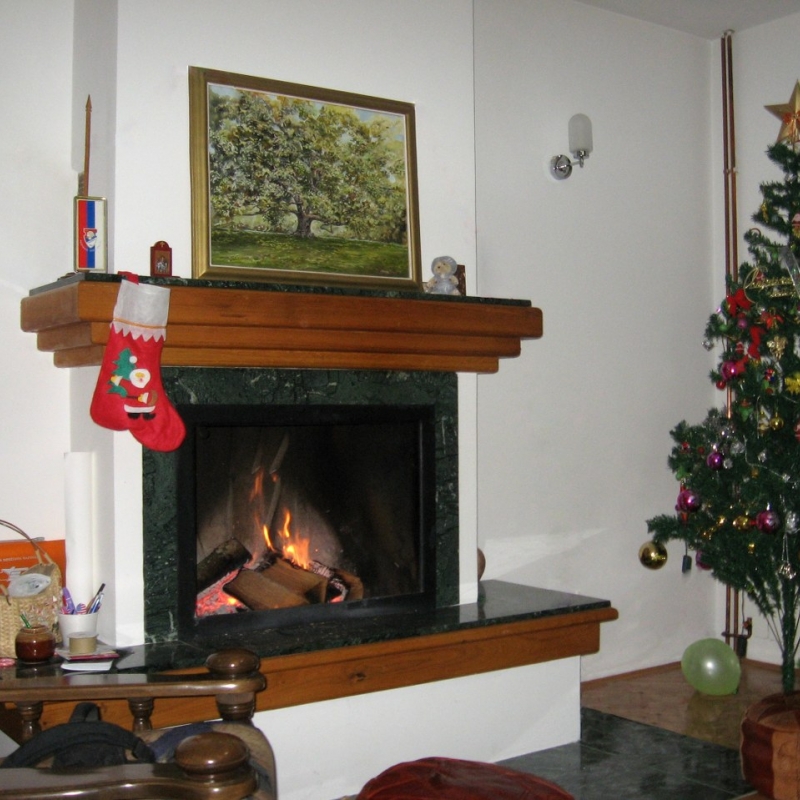
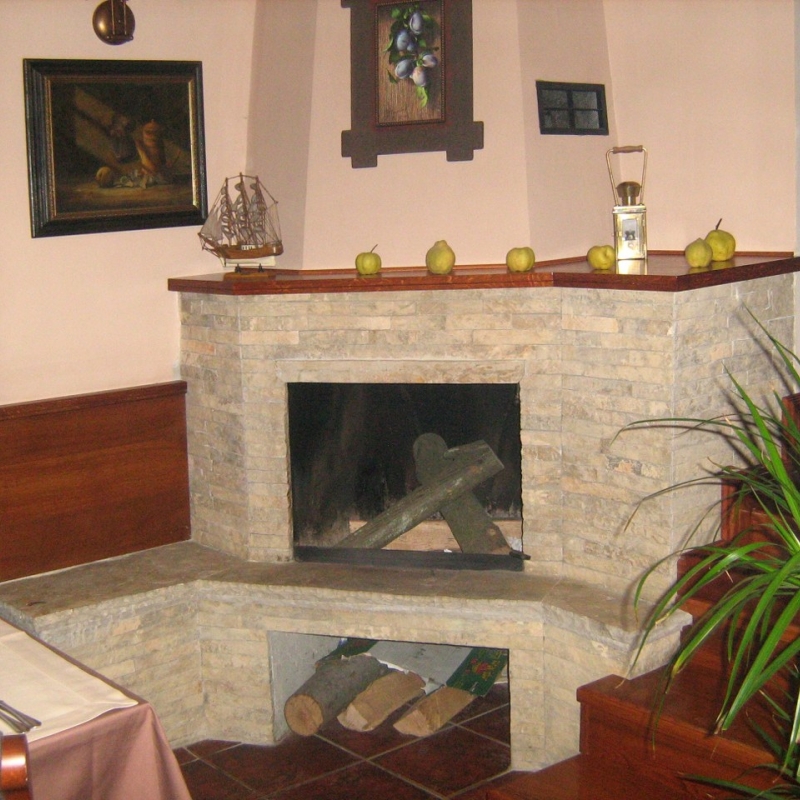
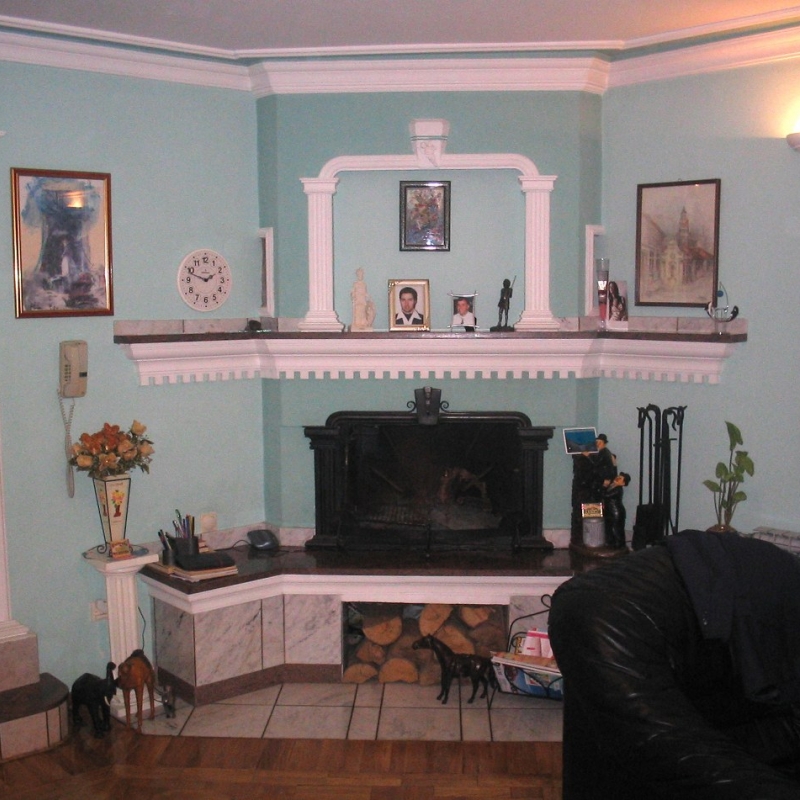
Classic fireplaces are timeless elements of the home, characterized by elegance, functionality and aesthetic appeal. Their design is inspired by the architectural styles of past eras, most often classicism, renaissance and baroque, and as such, they represent a perfect combination of tradition and art.
Characteristics of classic fireplaces:
- 1. Traditional materials:
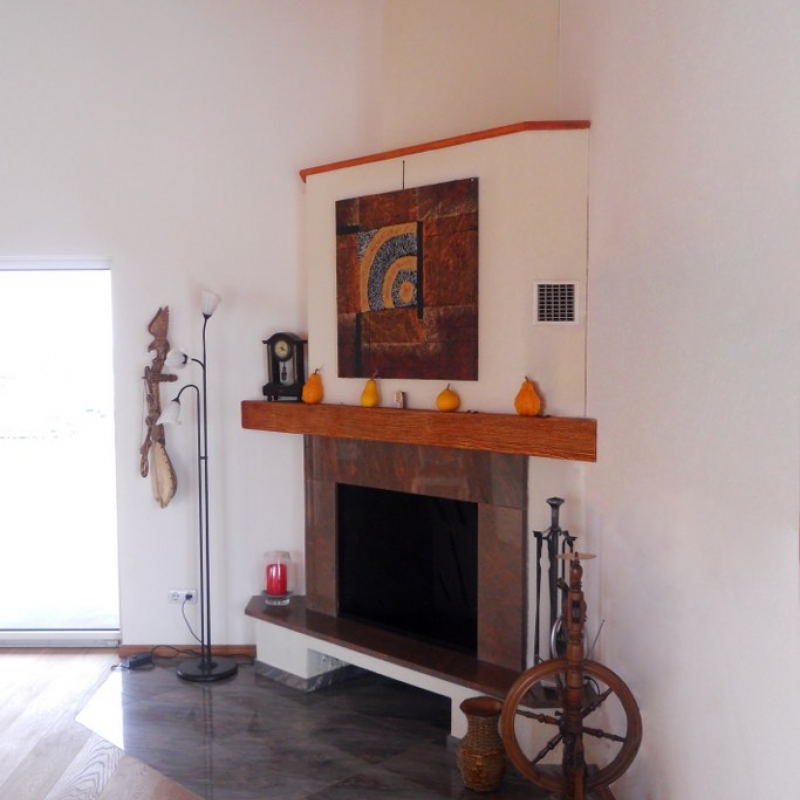
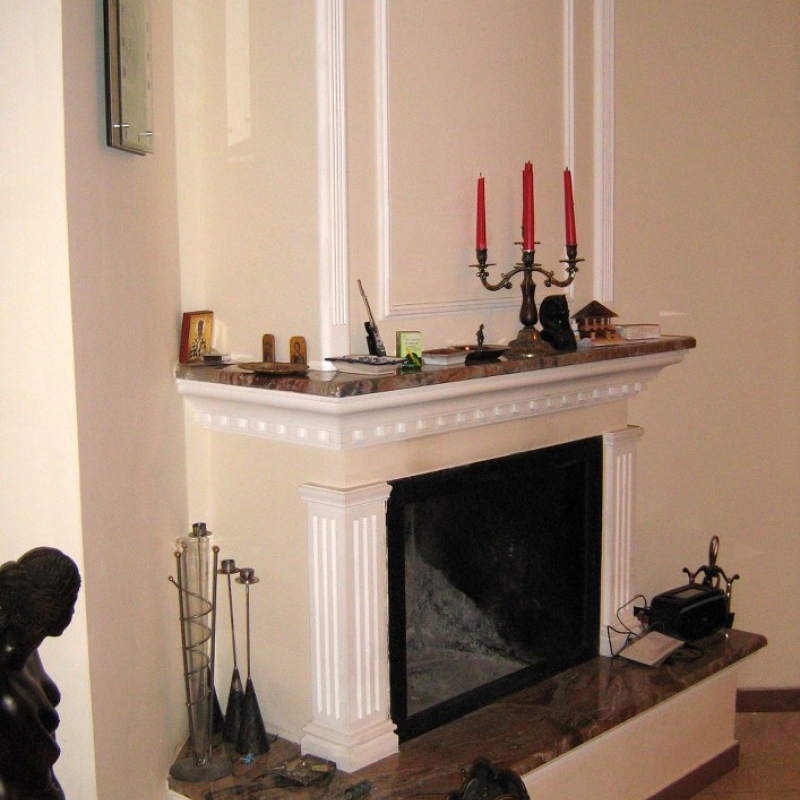
Classic fireplaces are usually made of natural materials such as marble, stone, granite, or wood. Marble fireplaces are especially prized for their durability and luxurious look, while stone fireplaces provide a more rustic but equally elegant look.
- 2. Symmetrical design:
Classic fireplaces are characterized by symmetrical and balanced lines. These fireplaces often have simple but elegant lines, with clearly defined proportions that create a sense of harmony and order.
- 3. Decorative details:
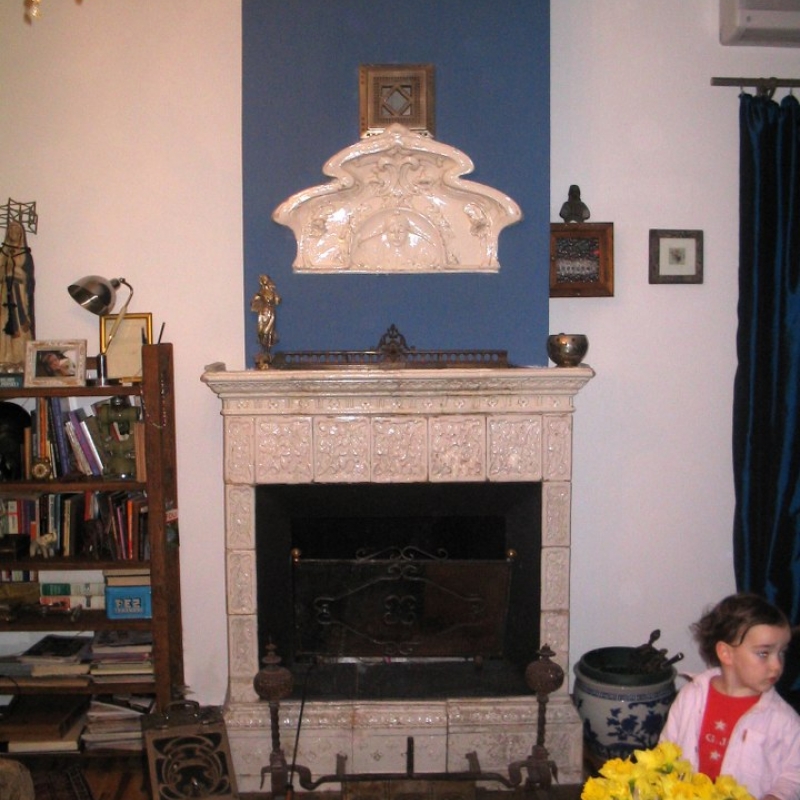
Classic fireplaces often contain ornaments such as columns, friezes, medallions and floral motifs. These decorative elements are subtly integrated into the design of the fireplace and add sophistication without excessive pomp.
- 4. Focus on a central figure:
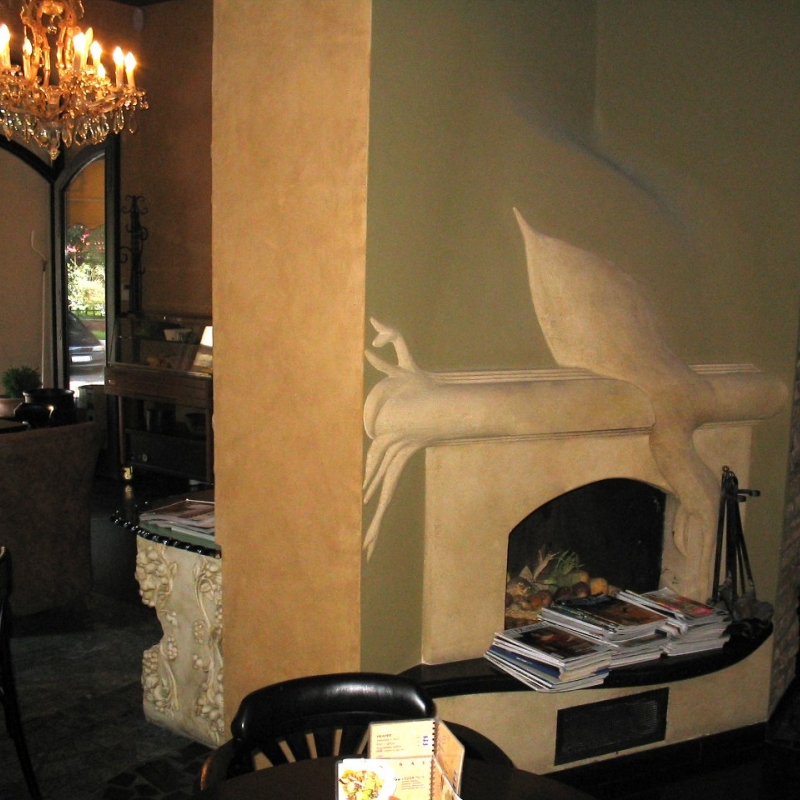
Many classic fireplaces have a central motif or relief, such as mythological scenes, heraldic symbols or classical figures, which serves as the main visual element.
- 5. Practicality and functionality:
Apart from the aesthetic role, classic fireplaces are designed to provide effective heating. The interior of the fireplace is adapted for optimal combustion of wood, coal or other fuels, and the chimney is often designed to ensure good ventilation and smoke removal.
Historical context:
Classic fireplaces come from a time when homes were the center of family life, and the fireplace was the heart of the home. In the Renaissance and Baroque periods, fireplaces were often used as symbols of power and wealth, with lavish details and sculptural elements. During the 18th and 19th centuries, the age of classicism, fireplace design became more sophisticated, with a greater focus on proportions and aesthetics inspired by ancient architecture.
Modern usage:
Today, classic fireplaces still occupy a special place in interior design. Although modern homes are often equipped with modern heating systems, classic fireplaces are often used as decorative elements that add warmth and character to a room. They can be found in luxury residences, but also in modern apartments, where they are often combined with contemporary furniture for an eclectic look.
Conclusion:
Classic fireplaces are more than just a source of heat; they are a symbol of elegance, tradition and artistic expression. Their design, inspired by past centuries, brings a sense of history and sophistication to any space, making them permanent and cherished elements of any home. Regardless of the style of the interior, a classic fireplace can be the central part of the room, which attracts attention and creates an atmosphere of comfort and luxury.